
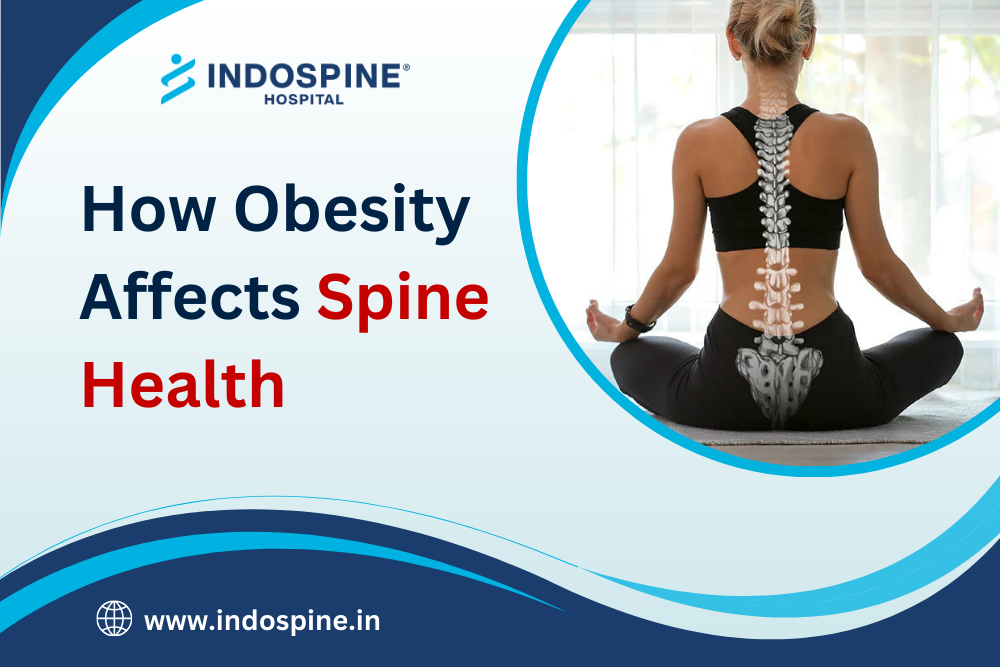
Obesity has become a major health concern worldwide, affecting people of all age groups. While most people associate obesity with problems like diabetes or heart disease, many are unaware that excess body weight also has a serious impact on the spine.
The spine supports the entire body, and carrying extra weight puts additional pressure on spinal structures. Over time, this increased strain can lead to back pain, disc problems, and long-term spine damage. Understanding how obesity affects spine health can help people take preventive steps early.
Why Body Weight Matters for Spine Health
The spine carries body weight while allowing movement and flexibility. When body weight increases beyond healthy limits, the spine has to work harder to maintain balance and posture.
Extra body weight, especially around the abdomen, shifts the body’s center of gravity forward. This forces the lower back to curve more than normal, increasing pressure on spinal joints and discs.
Over time, this constant pressure leads to pain and spine problems.
How Obesity Affects Spine Health
Increased Pressure on the Lower Back
The lower back, or lumbar spine, carries most of the body’s weight. Excess weight increases pressure on spinal discs and joints, leading to chronic lower back pain.
This is why overweight individuals commonly complain of persistent back pain.
Higher Risk of Slip Disc
Spinal discs act as cushions between bones. When excess weight continuously presses on discs, they may bulge or herniate, leading to slip disc.
A slipped disc can compress nerves and cause pain radiating to the legs.
Increased Risk of Sciatica
Obesity increases the chances of nerve compression in the lower spine, leading to sciatica. Sciatica causes pain that travels from the lower back to the legs and may be associated with numbness or weakness.
Disc problems caused by excess weight are a common reason behind sciatica.
Poor Posture and Muscle Weakness
Excess weight affects posture and weakens muscles supporting the spine. Weak muscles fail to support spinal alignment, increasing the risk of injury and pain.
Obese individuals often develop posture-related back and neck pain.
Faster Degeneration of Spinal Joints
Carrying extra body weight accelerates wear and tear of spinal joints and discs. This leads to degenerative spine conditions at a younger age.
Joint degeneration causes stiffness, reduced flexibility, and chronic pain.
Reduced Physical Activity
Obesity often leads to reduced movement due to fatigue or joint pain. Lack of physical activity further weakens spine-supporting muscles, worsening spine problems.
This creates a cycle where pain reduces activity, and reduced activity increases pain.
Signs That Obesity Is Affecting Your Spine
Common warning signs include:
- Persistent lower back pain
- Neck or shoulder discomfort
- Leg pain or sciatica symptoms
- Difficulty standing or walking long
- Reduced flexibility and stiffness
- Frequent muscle fatigue
If these symptoms continue, medical evaluation is recommended.
Can Weight Loss Improve Spine Health?
Yes, even modest weight loss significantly reduces pressure on the spine. Losing weight helps:
- Reduce back pain
- Improve posture
- Increase mobility
- Reduce risk of disc problems
- Improve overall spine function
Weight loss combined with physiotherapy and exercise often provides noticeable improvement.
How Can You Protect Spine Health If You Are Overweight?
Simple steps can help reduce spine strain:
- Start low-impact exercises like walking or swimming
- Strengthen core and back muscles
- Maintain correct posture while sitting and standing
- Avoid prolonged sitting
- Use supportive mattresses and chairs
- Follow a balanced diet to reduce weight
Gradual lifestyle changes are more effective than sudden drastic measures.
When Should You See a Spine Specialist?
Consult a spine specialist if:
- Back pain persists for several weeks
- Pain spreads to legs or arms
- Numbness or weakness develops
- Pain affects daily activities
- Movement becomes difficult
Early treatment prevents complications and improves recovery.
FAQs
- Can obesity cause back pain?
Yes, excess body weight increases pressure on spinal structures, leading to chronic back pain. - Does weight loss reduce back pain?
Yes, reducing body weight lowers spinal pressure and often improves back pain. - Can obesity cause slip disc?
Yes, extra pressure on spinal discs increases the risk of disc bulge or slip disc. - Is exercise safe for overweight people with back pain?
Yes, guided low-impact exercises are usually safe and beneficial when done correctly. - When should obese patients see a spine specialist?
If back pain persists or affects daily activities, medical consultation is recommended.
Conclusion
Obesity has a significant impact on spine health by increasing pressure on spinal discs, joints, and muscles. Over time, this can lead to back pain, slip disc, sciatica, and reduced mobility. The good news is that even small improvements in weight and lifestyle can greatly reduce spine strain.
Maintaining a healthy weight, staying active, and seeking early medical advice when pain occurs can help protect spine health and improve quality of life.