
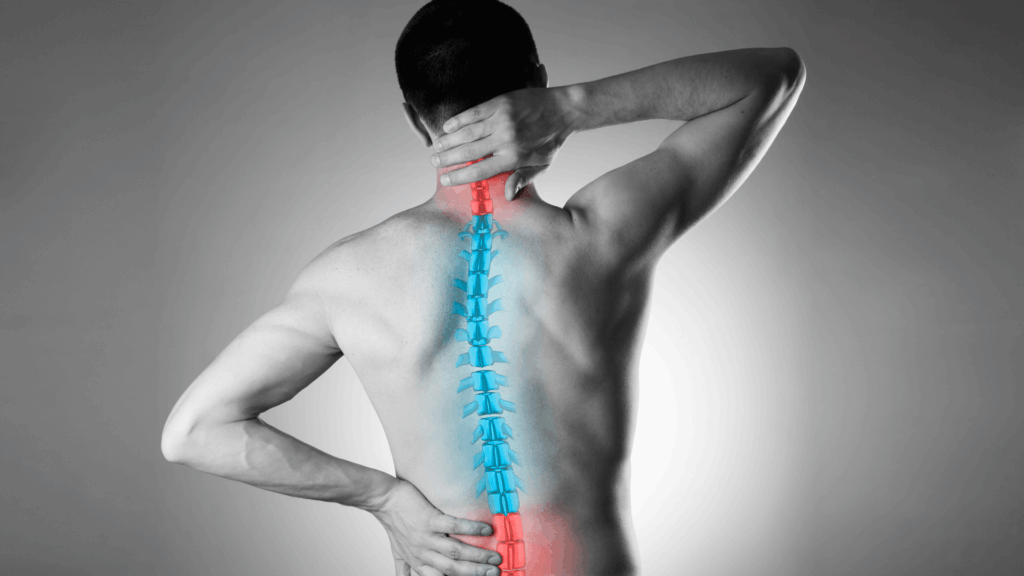
Are you suffering from uncomfortable and prolonged back pain? If so, read further and clarify your condition. Especially, people with middle and lower back pain in thoracic area find it challenging to navigate their everyday lives. Thoracic mid-back pain is different from lower back or neck pain and is much less common but a problematic condition. Commonly known as thoracic spine pain, this condition requires an accurate diagnosis, as thoracic spine pain causes can vary widely.
Here, we will explain the causes andsymptoms of thoracic back pain and spine nerve damage.
What is Thoracic Spine Pain?
The thoracic spine represents the series of twelve vertebrae marked from T1 to T12 and is located between the cervical (or neck) and lumbar regions in the back. Thoracic spine pain causes discomfort in the middle back which is involved in stabilising and protecting upper body structures such as the heart and lungs. Thoracic back pain can occur due to traumatised conditions, degenerative disc diseases, bad posture or afflictions of the spinal nerves.In cases where symptoms are severe,thoracic myelopathy treatment may be required to alleviate nerve compression and restore function.
Causes of Thoracic Spine Pain
The following thoracic spine pain causes affect the spine differently:
- Poor Posture: Prolonged pain in the thoracic areais due to a long stay in a poor posture which can strain muscles and joints throughout the spinal column.
- Thoracic Herniated Disc: Discs between two thoracic vertebrae become the source of pain when damaged or when they herniate and pinch nearby nerves.
- Muscle Strain: Injuries and activities that exert pressure or stress on the spine muscle ligament can result in thoracic pain.
- Spinal Arthritis:It is common in older people. Over time, the cartilage that coats the joints of the spine can degenerate and cause pain, tightness and swelling in the thoracic region.
- Thoracic Spine Nerve Damage:Nerve compression or injury in the thoracic region of the spine can be very painful. Diseases such as spinal stenosis (the constriction of the spinal canal), can affect nerves, develop stubborn pains and hinder movement.
- Medical conditions: Other diseases like osteoporosis, scoliosis, and fibromyalgia can trigger TSP.
What are the symptoms of thoracic spine nerve damage?
If you are experiencing thoracic spine pain and nerve signs, you should recognize the following symptoms. Here are the main thoracic spine pain symptoms:
- Thoracic herniated disc symptoms: Some early signs are sharp tingling and increased numbness near the back or chest.
- Sharp & Burning Pain:Thoracic back pain can be envisioned as sharp stabbing or aching which worsens upon active movements like twisting or bending over.
- Muscle Stiffness: Thoracic pain causes rigidity, which hinders the thoracic cavity and limits everyday movement.
- Radiating Pain: There will be shoulder and upper-back pain in the chest or abdominal area if nerve damage is implicated, thus mimicking heart or lung diseases.
- Numbness/Tingling:In the case of nerve compression, symptoms include tingling or numbness in the back or chest, which may be associated with thoracic spine nerve injury.
- Muscle Weakness: Serious neuropathy can result in muscle paralysis in the affected region, and leads to decreased mobility.
- Difficulty Breathing: Some patients may experience breathing issues especially when pain kicks in during movement.
Thoracic Spine Pain Relief Treatment
Treatment for thoracic back pain relief is usually a combination of medication and physical methods:
- Physical Therapy:It is helpful for the muscles in the thoracic area of the spine. A trained therapist can help you go through beneficial exercises for the spine’s positioning and flexibility to reduce pain.
- Posture Correction:Sitting or standing in the wrong position is the main cause of back pain in the thoracic area. Maintaining a proper body posture while sitting or standing and the use of appropriate seaters can greatly reduce thoracic spine back pain.
- Medication: The best way to manage the symptoms of thoracic back pain is by taking over-the-counter inflammatory drugs. In serious cases, the doctor may suggest stronger pain relievers.
- Spinal decompression surgery: While performing thoracic myelopathy treatment, the spine surgeon directly acts on the source of your condition whether it is from herniated discs or a bone spur.
- Chiropractic Care:In some people, spinal manipulations by a qualified chiropractor can reduce thoracic back pain depending on the extent of spinal malposition.
When to Seek a Spine Specialist?
Though minor back/chest pain can be relieved by simple lifestyle changes, poor control of symptoms demands medical attention. If you are suffering from thoracic herniated disc symptoms or prolonged numbness, you should consult the spine specialist and get an accurate diagnosis with an adequate treatment plan. Seek medical help early to avoid the signs worsening and taking longer to heal.
Get an Appointment From Indospine
Understanding the causes and symptoms of thoracic spine pain at its initial stage is the first step towards pain relief. If you or your family member is experiencing prolonged back pain in the thoracic area, consult our spine specialists from Indospine. When treated earlier, thoracic spine back pain is controllable, and you can get back to your normal life.
Ready for the Recovery Process?
Physical therapy for patients with cervical spine fracture or any vertebral spine fracture may take a long period. Still, if treated properly with a proper pain management regime and surgical treatments, it is easy to mobilise and function normally again. It is always advisable to seek the opinion of spine specialists to go with the most appropriate treatment for your condition.
Consult Indospine now, and we will facilitate faster recovery of your spine fracture!