
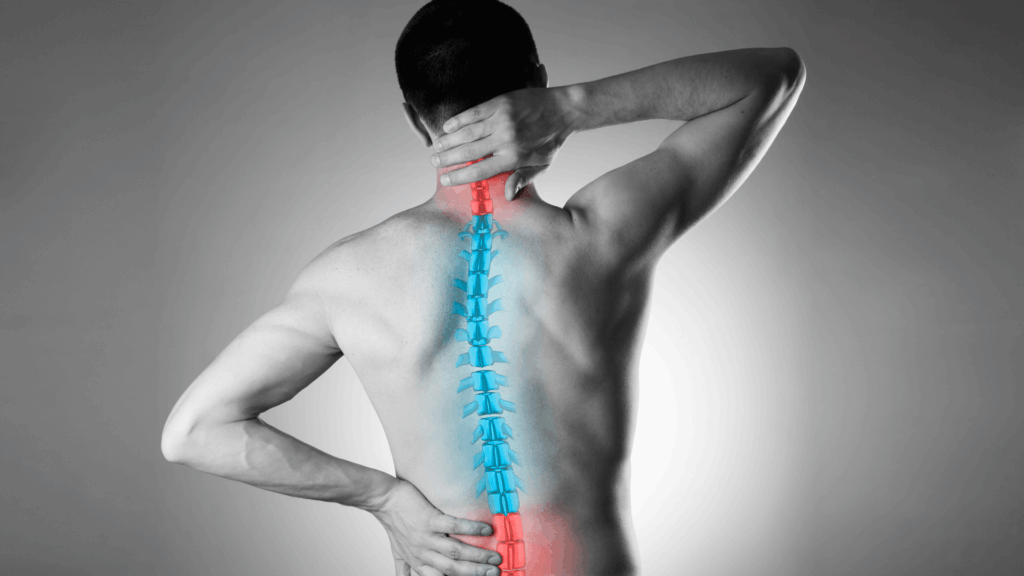
Dealing with spine fractures due to an accident, a traumatic event or osteoporosis can be devastating. These spine injuries range from compression fractures to severe complications like breaks in the spinal cord, which can lead to severe pain, restricted mobility and emotional imbalance. However, the first step towards cervical spine fracture or any other type of vertebral fracture recovery is understanding your conditions and treatments.
In this blog, we’ll cover the spine fracture types and effective treatments for them.
What is a Spine Fracture?
A spinal fracture is the break or collapse of one or more vertebral bones through trauma, disease or other situations. The most severe spine fracture is cervical spine fractures, which affect the spine in the neck area, presaging spinal cord damage, paralysis or even death. Spine fractures can occur as an effect of an automobile accident, a sports injury and other related traumas. Spine fractures can also occur due to osteoporosis, where the bones become fragile and susceptible to breakages.
The Common Symptoms Associated With a Fractured Vertebra Include
- Sharp and intense back or neck pain
- Difficulty moving or standing
- Tingling and weakness in limbs that may show signs of nerve injury
- Loss of bladder and bowel control (in severe conditions only).
Trauma Spine Fracture Types
Spine fractures are categorised according to the location or seriousness of the break. Analysing the type of vertebral fracture can help in choosing the appropriate treatment. Here are the common spine fracture types:
1. Compression Fracture:
The most prevalent form is the compression fracture, common with older adults. It happens when the front part of the vertebra is crushed while the back part is intact. The causes of compression fractures are osteoporosis or insignificant injury in a compromised spine.
2. Burst Fracture:
A burst fracture does occur when the vertebra is fractured in all planes, due to car accidents. When such a fracture occurs, the broken pieces of the bone stress the spinal cord and therefore cause serious complications.
3. Flexion/Distraction Fracture:
This type of fracture occurs when the spine is forced to bend forward at the wrong angles, leading to one or more vertebrae cracks. It is often witnessed in car accidents whereby the shoulder, chest, heart, neck, or head is jutted forward, and the rest of the body remains constricted.
4. Fracture-Dislocation:
This is a severe injury where there can be both fracture and subluxation of the vertebral column. It usually leads to spinal cord injury and calls for immediate medical treatment.
Cervical Spine Fracture Types
Cervical Spine Fracture is especially dangerous because it affects the area close to the skull and spinal cord. Common types include:
1. Odontoid Fracture:
A crack in the small protruding bone that extends from the second cervical vertebra. It is a common fracture that affects older people after experiencing a fall.
2. Hangman’s Fracture:
Found in cases where there is a fracture in the second cervical vertebra. This is often a result of a deep injury such as a road accident.
3. Clay Shoveler’s Fracture:
This is a break of the lower cervical vertebrae and commonly results from muscle spasms or lifting accidents.
Treatment for Compression Fracture Spine
The spine fracture treatment differs for different vertebral fractures and the seriousness of the injury. Some of the general treatments for compression fracture spine are as follows
- Rest and Immobilisation: Patients are advised to rest to avoid movement and make use of a brace that confines the spine movement.
- Pain Relief: When a painkiller is necessary, doctors suggest the best pain relief for fractured vertebrae ranging from simple analgesics such as paracetamol to strong-strength drugs like ibuprofen.
- Physical Therapy: Tractions or exercises can be done to enhance mobility and alleviate any pain after remission.
- Vertebroplasty/Kyphoplasty: In the case of severe compression fractures, vertebroplasty can be suggested, it is the process of injecting bone cement into the bone to stabilise the fracture line and reduce pain.
- Spinal Fusion: In more severe cases, spine fusion can be done to stabilise and immobilise the broken vertebrae. Apart from that, Spondylolisthesis treatment is suitable when affected by osteoarthritis.
Ready for the Recovery Process?
Physical therapy for patients with cervical spine fracture or any vertebral spine fracture may take a long period. Still, if treated properly with a proper pain management regime and surgical treatments, it is easy to mobilise and function normally again. It is always advisable to seek the opinion of spine specialists to go with the most appropriate treatment for your condition.
Consult Indospine now, and we will facilitate faster recovery of your spine fracture!