
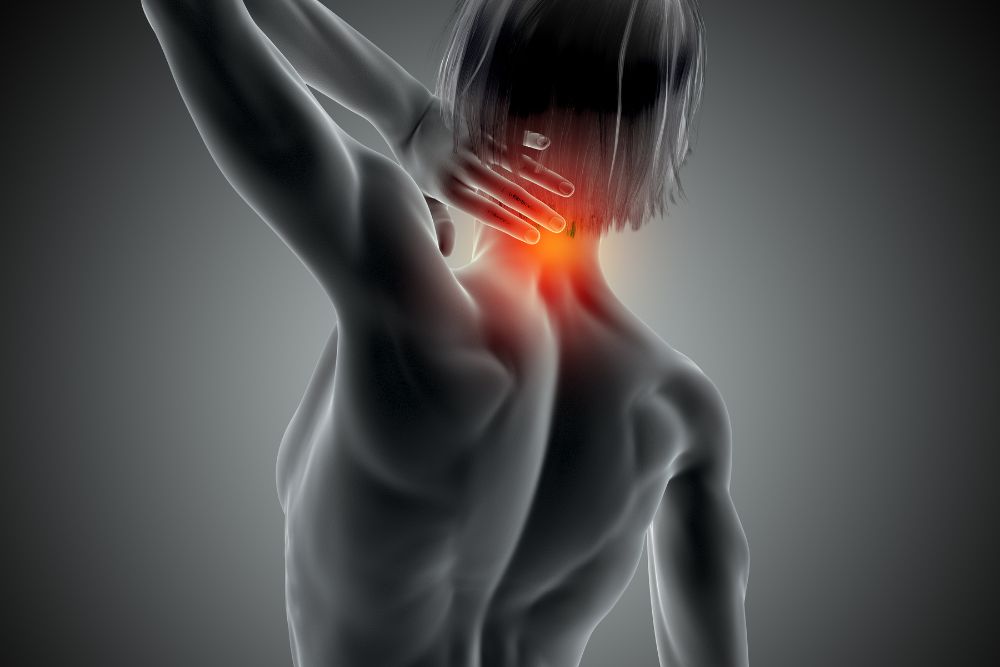
People with radiculopathy condition feel that it is not just a source of discomfort; it’s a condition that significantly impacts day-to-day living. The condition shows an obvious symptom that your spinal cord nerves are stressed. It originates from neck pain that radiates down your arms or lower back pain that extends down your legs.
Radiculopathy is a condition of neurological deficits caused due to nerve pressures and can lead to arm or finger weakness, numbness and pain. This condition may occur in any part of the spine due to spinal cord pressure, including the cervical, thoracic, or lumbar zones.
This blog will explain the radiculopathy definition of causes, symptoms, and treatments focusing on specific conditions and management.
What is Radiculopathy?
Radiculopathy is a medical condition characterised by the compression, inflammation, or injury of a spinal nerve root with impaired function. This may lead to pain, tingling or numbness, and muscle weakness in affected nerves. Based on the research, the annual incident rate of cervical radiculopathy is 107.3 per 100,000 for men and 63.5 per 100,000 for women.
Radiculopathy Conditions & Their Implications
| Conditions | Implications |
| C5 C6 Radiculopathy | Can cause weakness in the deltoid and the bicep part of the muscle. Medications and physical therapy can help with recovery. |
| C6 Nerve Root Compression Symptoms | Pain in the thumb and wrist drop and decreased strength in the wrist extensors. |
| C7 Nerve Root Compression Symptoms | This leads to numbness and pain in the middle finger, in addition to triceps muscle weakness. |
| L5 and S1 Radiculopathy | Lower foot dorsiflexion and plantar flexion, usually impede movement. |
Types of Radiculopathy
1. Lumbar Radiculopathy
Spinal nerve root compression in the lower back region is referred to as lumbar radiculopathy. Lumbar radiculopathy meaning refers to the condition where there is sharp pain, tingling, or weakness that radiates from the lower back down to the legs (also known as sciatica).
2. Cervical Radiculopathy
Cervical radiculopathy means nerve root compression in the neck area. This condition may produce pain, paresthesias, or weakness that extends into the shoulders, arms, and hands. The Cervical Radiculopathy definition highlights its impact on nerve function, often leading to discomfort and reduced mobility in the affected regions.
3. Thoracic radiculopathy
It refers to a pinched nerve in the cervical or upper back area which may cause pain, numbness or tingling in the chest and in the anterior aspect of the body. This type of radiculopathy is the rarest of all.
Common Cervical Radiculopathy Causes
Radiculopathy can occur from various spinal conditions, including:
- Herniated Discs: A herniated or slipped disc may compress a nerve root pressing on it and cause inflammation with pain.
- Spinal Stenosis: Stenosis of the spinal canal can encroach on the nerve roots and result in radiculopathy.
- Degenerative Disc Disease: Degenerative changes in the spinal discs can result in bony spurs or narrowing of nerve territories.
- Trauma: Nerve compression in the spine may be caused by accidents, injury or falls.
These cervical radiculopathy causes lead to symptoms like pain, numbness, tingling, or weakness, especially in the neck, shoulders, or arms.
Symptoms of Radiculopathy
As mentioned above, radiculopathy presents symptoms that depend on the location of the impaired nerve. Here are the most common symptoms:
- Symptoms of Cervical Radiculopathy: Neck pain, paresthesias, or numbness in the upper extremities, shoulders, or arms. For example, C5 and C6 radiculopathy can lead to weakness of the shoulder and the upper arm; C7 nerve root compression affects triceps debility and numbness in the middle finger.
- Lumbar Radiculopathy Symptoms: Starts from lower back pain and spreads to the legs and feet. L5 radiculopathy and L5 and S1 radiculopathy may present with weakness of the foot and toes.
Cervical Radiculopathy Cure
The possible and curable treatments for cervical radiculopathy include:
- Medications: NSAID drugs and skeletal muscle relaxants can be prescribed.
- Physical Therapy: Muscle exercises for the neck and shoulders.
- Cervical Traction: Massage on the spinal area to put a slight pressure on the backbone.
- Epidural Steroid Injections: To decrease inflammation around the nerve root.
- Surgery: In extreme situations, surgeries such as laminectomy, discectomy or spinal fusion are necessary.
Lumbar Radiculopathy Treatment
Lumbar radiculopathy treatment focuses on relieving pain and restoring mobility. It combines self-care, physical therapy, and medical interventions.
- Self-Care: Changes in sleeping positions, application of heat or cold packs in affected areas, and good body posture.
- Physical Therapy: Strengthening flank muscles and enhancing movement and flexibility.
- S1 Radiculopathy Treatment: Epidural injections and medications to reduce pain and inflammation in specific regions.
Compression Radiculopathy Management
The management of radiculopathy should address the root of the problem concerning nerve compression like the slipped disc or the spinal stenosis. Spinal cord stenosis treatment can be recommended if other possible treatment options are not reducing or relieving the pressures.
| Cervical Radiculopathy Self-Care: | Lumbar Radiculopathy Self-Care: |
| ● Maintaining good posture when working and sitting.● Supporting the neck region with a cervical collar or neck pillow.
● Practising mild stretching exercises with therapist guidance. |
● Avoiding heavy lifting and bending movements.● Utilizing back-supporting ergonomic furniture.
● Engaging in low-stretching activities like walking and swimming. |
Wrapping Up!
Cervical, lumbar, or specific nerve roots affecting C5, C6 or L5, regardless of the affected areas, Radiculopathy is a life-challenging condition. However, early diagnosis can cure the conditions with specific treatments. Also, many self-care procedures can help in treating radiculopathy with its potential root – they include medications, physical therapy, and maintaining good postures.
Seek medical advice if symptoms do not improve or get worse for self-care remedies, if there is severe fatigue or limb weakness, and if daily movement activities are difficult. Please do not hesitate to come to us at Indospine to get detailed information about the right treatment plan for your Radiculopathy conditions.