
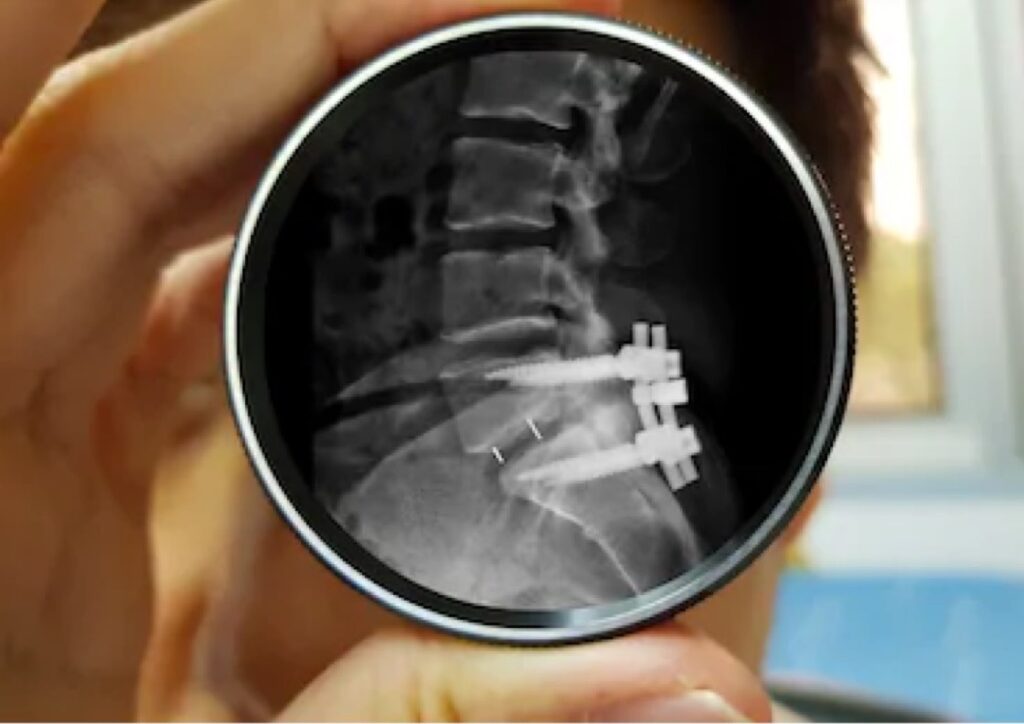
Having to go through every day with back pain, numbness or difficulty in walking can be very debilitating. For most people, such symptoms are associated with a disease known as spinal canal stenosis. Spinal stenosis can occur anywhere along the spinal column, and lumbar canal stenosis can affect the lower back region.
In this blog, we will define spinal canal stenosis, its causes, symptoms and treatment.
What is Spinal Canal Stenosis?
Spinal canal stenosis is defined as the narrowing of the spinal canal – a centre of the spine that contains the spinal cord and nerves. Spinal canal narrowing can put pressure on the nerves, resulting in leg pain, numbness, and weakness.
What is Lumbar Canal Stenosis?
When such pressure happens particularly in the lumbar region, it is known as lumbar canal stenosis It is common in people above 50, resulting from degenerative changes in the spine, leading to pain, discomfort, and neurological deficit.
Types of Spinal Canal Stenosis
- Lumbar Canal Stenosis: This impacts the lumbar spine which typically causes leg pain. This can also cause problems with mobility and leg numbness.
- Cervical Canal Stenosis: This most commonly happens in the neck region and the affected people start experiencing pain, tingling sensation, and even weakness in arms, and hands. In extreme cases, leg movement will be limited as it is associated with the spinal cord.
Causes of Spinal Canal Stenosis
The main factor which leads to stenosis of the lumbar is ageing. Apart from that, the following are the common spinal cord stenosis causes:
- Degenerative Disc: Spinal discs lose water content and height as we grow older, and this causes disc bulging which is a primary cause of spinal stenosis.
- Bone Spurs: When progressed, the conditions develop bony outgrowths around joints in the spine, resulting in a narrowing spinal canal.
- Herniated Discs: This is when one of the spinal discs is damaged, and it will put pressure directly on the nerves located within the spinal canal.
- Thickened Ligaments: It is characterised by osteophytes formed from hypertrophy of ligaments that support the spine. The ligaments become thick and stiff with ageing and impinge into the spinal canal.
- Congenital Stenosis: Some people may be born with a tiny spinal canal, which can later have a greater risk of developing spinal canal stenosis symptoms.
Lumbar Spinal Canal Stenosis Symptoms
People experiencing the following signs should seek a doctor for proper diagnosis of lumbar canal stenosis:
- Lower Back Pain: More common in people with a prolonged standing or walking lifestyle, with a relaxed feeling when sitting and leaning forward.
- Leg & Feet Numbness: Nerve compression may give rise to numbness or a tingling feeling, also called a ‘pins and needles’ sensation.
- Leg Weakening:This symptom can cause a walking disability, which affects daily leg activities.
- Difficulty Standing: Pain from Lumbar Canal Stenosis challenges patients to walk, let alone stand for a long time.
Diagnosis of Lumbar Canal Stenosis
A diagnosis usually involves physical examination like checking health status, and imaging tests including X-ray, MRI or CT scan. They are useful in finding where stenosis is precisely and its extension. Based on that, doctors can treat the conditions with the following treatment.
Next Step Towards Lumbar Canal Stenosis Recovery
Hope you have an idea of what is canal stenosis by now. If you or a person close to you develops lumbar canal stenosis signs, please consult with experienced hospitals like Indospine. The earlier the condition is diagnosed, the more effective the treatment can be. Living your life controlled by spinal canal stenosis? Seek medical assistance and start your recovery process.
Indospine brings the first step to your comfort and mobility. Book an appointment with our spine specialist and get your treatment done.