
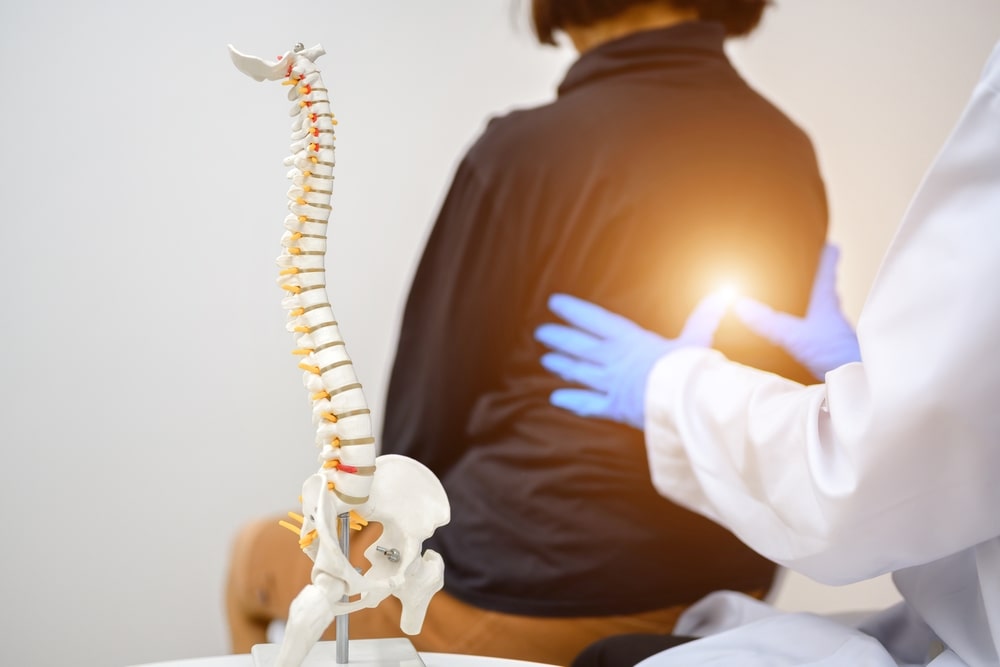
Back pain can dominate your life, making it hard to focus on anything other than immediate relief. You might turn to ice, ibuprofen, or rest to ease the discomfort. These measures can provide temporary relief, but if you’re dealing with chronic back pain, you need a more comprehensive approach. This guide will delve into various types of back pain, effective lower back pain treatments, and how to determine if you need to consult a doctor for ongoing support.
View this post on Instagram
Understanding Back Pain
1. Types of Back Pain
- Acute Back Pain– Acute back pain is characterized by a sudden onset and lasts less than six weeks. It often occurs after a specific event, such as a fall or a strenuous workout.
- Chronic Back Pain– Chronic back pain persists for longer than six weeks and can develop gradually. It may not always have a clear cause and often requires more intensive lower back pain treatment in ahmedabad. Chronic pain can stem from various factors, including muscle imbalances, poor posture, or underlying medical conditions.
2. Common Causes of Back Pain
Several factors contribute to back pain, including:
Muscle deconditioning can lead to increased strain on your back.Poor posture can stress the spine and muscles.Overexerting muscles, especially without proper technique, can cause pain.Falls, accidents, or other injuries can lead to acute or chronic pain.Age-related changes and genetic predispositions can affect back health.
Short-Term Back Pain Treatments
1. Heat and Cold Therapy
- Cold therapy is effective for new or acute pain, reducing swelling and numbing the area. Use ice packs or cold compresses within the first 24-48 hours.
- Heat therapy benefits chronic back pain by relaxing muscles and improving blood flow. Use heating pads or warm baths for pain that persists beyond the initial injury phase.
- Combining heat and cold therapy can be effective. Apply cold therapy after intense activity to reduce soreness, then use heat after 24 hours to aid recovery.
2. Medications
- NSAIDs like ibuprofen (Advil) or naproxen sodium (Aleve) manage pain and inflammation. Consult a healthcare provider before use.
- Topical pain relievers such as creams and ointments offer localized relief for both acute and chronic pain.
3. Physical Therapy and Manual Treatments
- Therapeutic massage relieves muscle tension, improves flexibility, and reduces pain, targeting specific areas for lower back pain
- Chiropractic adjustments manipulate the spine to alleviate pain and enhance function, offering both immediate relief and long-term support.
- Acupuncture involves inserting thin needles into specific points to stimulate the central nervous system, helping reduce inflammation and chronic pain.
4. Injections
Cortisone injections offer temporary relief from severe pain by reducing inflammation, used when other treatments fail, often for herniated discs and severe lower back pain.
Long-Term Back Pain Treatments
1. Specialized Physical Therapy
- Purpose and Process- Specialized physical therapy involves targeted exercises designed to strengthen the muscles supporting the spine and improve flexibility. Treatment are tailored to individual needs and typically lasts around six weeks. Physical therapy can be highly effective for managing both acute and chronic back pain, including female lower back pain treatment.
- Benefits- Strengthening your back muscles
Learning proper movement techniques
Addressing muscle imbalances
These actions can lead to long-term pain relief and improved functionality.
2. Manual Therapy
- Description – Manual therapy, a specialized form of physical therapy, uses hands-on techniques to manipulate muscles and joints.
- Benefits– Improves mobility
Reduces pain
Enhances overall function
3. Surgical Options
- Indications and Types- Surgery can be recommended when conservative treatments are ineffective, and there is evidence of structural issues such as herniated discs or severe degenerative disc disease. Surgery can provide a long-term solution for chronic pain, but it is typically considered only after other options have been explored.
View this post on Instagram
Home Remedies and Lifestyle Modifications
- Good posture is vital for spine health. Align your spine and use ergonomic supports if needed.
- Use proper lifting techniques. Lift with your legs, not your back, and avoid repetitive movements.
- Regular exercise strengthens, improves flexibility, and helps maintain a healthy weight. Low-impact activities like yoga and water aerobics are beneficial.
- A balanced diet reduces inflammation. Eat anti-inflammatory foods like vegetables, whole grains, nuts, and fish.
- Manage stress to prevent muscle tension and back pain. Engage in stress-relief activities like meditation and hobbies.
- Quality sleep is crucial. Sleep in positions that reduce spine pressure, such as on your side with a pillow between your knees.
Physical Therapy For Back Pain
Find out how physical therapy can help ease spine and back pain while improving your movement. Watch the video below for helpful advice and tips.
When to See a Doctor
Consult a healthcare provider if you experience:
- Persistent back pain lasting more than two weeks.
- Additional symptoms such as fever, unexplained weight loss, difficulty moving limbs, or numbness in the saddle area (buttocks, thighs, groin).
If you need immediate care, consider visiting an IndoSpineHospital, urgent care centre for evaluation and treatment.
Take Control of Your Back Pain: Schedule a Consultation with IndoSpine Hospitals Today
At IndoSpine Hospital, we offer comprehensive treatments tailored to your needs. Our specialized team focuses on left side lower back pain treatment, and complex back pain issues, including severe lower back pain and pain affecting the limbs. Back pain can be challenging, but with the right approach, relief is possible. By combining short-term treatments, long-term therapies, and lifestyle modifications, you can achieve significant improvements in your back health. If you’re ready to explore effective solutions, schedule a consultation with IndoSpine Hospitals today.