
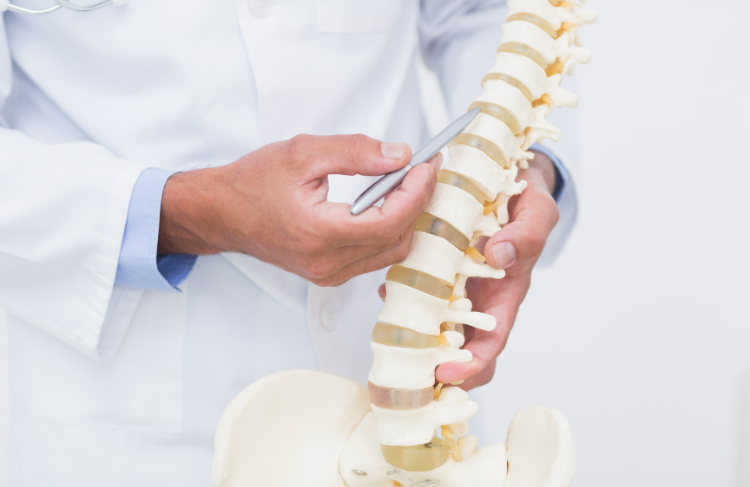
The spine is one of the best creations in body engineering; it helps with everyday movement and support. However, like any other mechanical system, the spine can deteriorate over time. A common spinal disorder, also termed degenerative disc disease (DDD), is where the patient experiences mild back pain in the beginning, which gradually becomes severe, leading to restricted movement and lifestyle.
Learn more about the mild degenerative changes in spine and its advancing treatments. This blog will provide better management of the condition and promote overall spinal health.
What is Degenerative Disc Disease?
Degenerative disc disease is a condition whereby intervertebral discs, which are spongy pads between the bones of the spinal column, start degenerating. This is not a disease but a normal part of ageing that can be caused due to injury, spine pressure, heredity, genetics etc. Lumbar and cervical disc diseases may lead to pain and limitation of joint movements in different regions of the spinal column.
Symptoms of Degenerative Disc Disease
The typical symptoms of DDD at an initial stage include stiffness and mild discomfort or pain in particular parts of the spine. For instance, early degenerative changes in lumbar spine may lead to lower back pain or radicular pain in the legs. Early degenerative changes in cervical spine can cause neck pain, headaches, or sensations of pins and needles in the arms.
Failure to address these symptoms results in the aggravation of degenerative changes in vertebrae which will consequently hinder movement. To deal with this condition, early diagnosis is necessary to get appropriate treatments.
Understanding Degenerative Changes in Spine
1. Lumbar Spine: The lumbar region supports most of the body’s strength and has the greatest risk of developing degenerative changes in the lumbar spine. These problems can be worse due to prolonged sitting, heavy lifting, or maintaining the wrong posture.
2. Cervical Spine: The neck supports the head and its movement. Cervical spondylosis can affect joint mobility, produce long-term neck aches, or cause pain in the upper extremities.
3. General Degeneration: Gradually, people can develop slight wear and tear of the spine or some stiffness while kneeling or sitting for long hours or after any exercise.
Causes of Degenerative Changes
Factors contributing to DDD include
- Ageing: An atraumatic physiological process resulting in decreased water content and elasticity of discs.
- Lifestyle Choices: Lack of exercise, smoking or even poor postures.
- Repetitive Stress: Includes workplace or sports activities that put pressure on the spine and its adjacent parts.
- Injuries: Stressful accidents that trigger quick degradation of the vertebrae.
New Treatments for Degenerative Disc Disease
There are many new medical developments that offer solutions for degenerative disc disease. These treatments will reduce pain, improve mobility and stop the progression of this degenerative condition.
- Physical Therapy: Specific workouts help the spine gain adequate support and flexibility, thus relieving the pressure on the particular disc.
- Medications: DDD can be treated and controlled through anti-inflammatory drugs and analgesics.
- Invasive Procedures: Fragile procedures, such as a nerve block or epidural steroid injections provide only short-term relief.
- Surgical Options: In more severe cases, surgery including spinal fusion or artificial disc replacement can help manage severe degenerative changes in cervical spine or the lumbar spine.
- Regenerative Therapies: New techniques such as stem cell therapy, and platelet-rich plasma (PRP) involve repairing the damaged discs as a novel intervention for degenerative disc disease.
Lifestyle Changes: Management of Degenerative Disc Disease
In some cases, managing DDD may involve a multi-disciplinary approach. You could significantly slow the progression of the degenerative changes in spine through simple lifestyle changes
- Maintaining an active lifestyle with light exercises such as swimming or yoga to improve spine health.
- Practising good posture and proper seating can help the spine take off the disc’s pressure.
- Managing a healthy weight will eliminate pressure on the lumbar spine.
- Taking adequate nutrition with a diet of calcium and vitamin D is helpful for the health of bones and discs.
When to Seek Medical Help?
Even Though self-management may be effective, it is advisable to seek a spine specialist if
- The pain is either unrelieved or becomes worse after resorting to home remedies.
- You feel tingling, weakness or slow and hard movement and coordination.
- You develop early or advanced degenerative changes in the cervical or lumbar spine.
Take the First Step Towards Relief
Dealing with degenerative disc disease is not about suffering from constant pain or being unable to move around. If addressed early, critical conditions can be eliminated with favourable treatments. Over time, proper diagnosis shifts from early degenerative changes in the lumbar spine to the most advanced treatments that can enhance your quality of life.
Do you have any signs of degenerative disc disease? Contact a spine specialist from Indospine, seek out the best treatment solutions and gain back your freedom.