
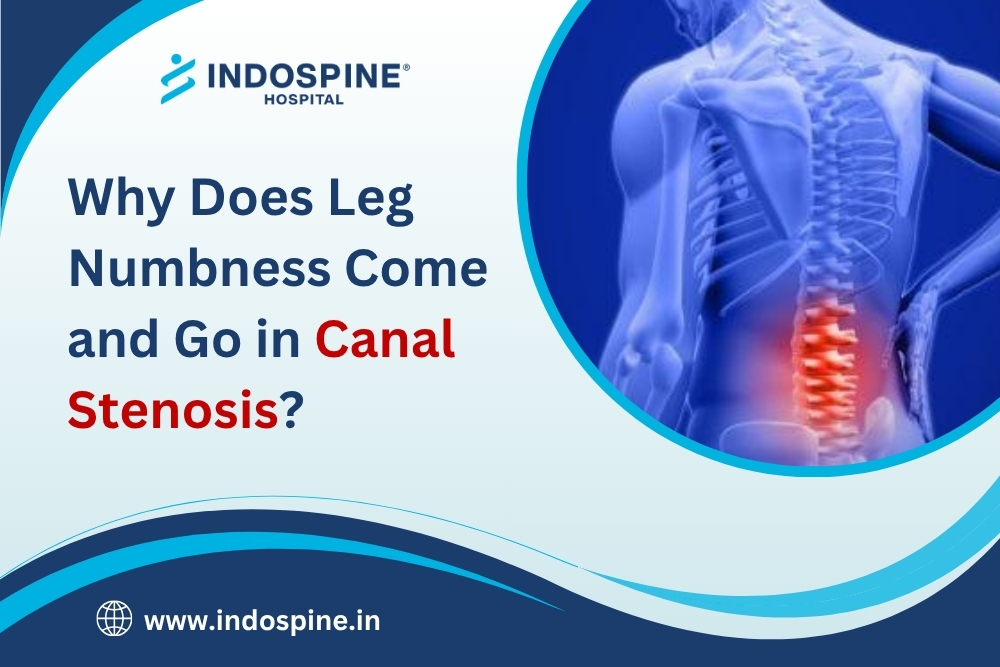
Many people are concerned when they experience numbness, tingling, or a “pins and needles” sensation in their legs that appears one moment and disappears the next. While occasional numbness can occur for several reasons, recurring symptoms should never be ignored. One possible cause is canal stenosis, a condition in which the spinal canal becomes narrowed and places pressure on nearby nerves.
A common question patients ask is why the numbness is not constant. Understanding the relationship between nerve compression and spinal movement can help explain why symptoms fluctuate throughout the day.
If you have been experiencing leg numbness in canal stenosis, this guide will help you understand the possible causes, symptoms, and treatment options available.
What Is Canal Stenosis?
Canal stenosis occurs when the spaces within the spine become narrower, reducing the room available for nerves and the spinal cord.
The condition commonly affects:
- The lower back (lumbar spine)
- The neck (cervical spine)
As the spinal canal narrows, pressure may develop on the nerves that travel through the spine, leading to pain, numbness, weakness, and mobility problems.
Why Does Leg Numbness Come and Go?
One of the most confusing aspects of canal stenosis is that symptoms are often intermittent rather than constant.
This happens because nerve compression can change depending on:
- Body position
- Physical activity
- Walking distance
- Standing duration
- Spinal posture
When pressure on the nerves increases, numbness may become more noticeable. When the pressure decreases, symptoms may temporarily improve.
How Nerve Compression Causes Numbness
The nerves traveling through the spinal canal control sensation and movement in the legs.
When these nerves become compressed, communication between the brain and the lower body can be disrupted.
As a result, patients may experience:
- Tingling sensations
- Reduced sensation
- Burning feelings
- Muscle weakness
- Intermittent numbness
These symptoms are among the most common canal stenosis symptoms seen in clinical practice.
Why Symptoms Often Worsen While Standing or Walking
Many people notice that numbness becomes worse when they stand or walk for extended periods.
This occurs because:
- The spinal canal may become narrower in certain positions
- Increased spinal extension can place additional pressure on nerves
- Nerve irritation increases during prolonged activity
As a result, patients may develop:
- Leg heaviness
- Tingling sensations
- Weakness
- Difficulty walking comfortably
Once they sit down or bend forward slightly, the pressure often decreases, and symptoms improve.
Common Canal Stenosis Symptoms
Although every patient is different, several symptoms frequently occur together.
Common canal stenosis symptoms include:
- Leg numbness
- Lower back pain
- Tingling in the legs
- Weakness while walking
- Muscle fatigue
- Balance difficulties
- Pain radiating into the legs
In cervical canal stenosis, symptoms may also affect the arms and hands.
Recognizing these canal stenosis symptoms early can help prevent progression and support timely treatment.
Other Possible Leg Tingling and Numbness Causes
While canal stenosis is a common explanation, there are several other leg tingling and numbness causes that may produce similar symptoms.
These include:
- Herniated discs
- Peripheral nerve disorders
- Diabetes-related nerve damage
- Vitamin deficiencies
- Sciatica
- Circulation problems
Because many conditions share similar symptoms, professional evaluation is important for accurate diagnosis.
How Canal Stenosis Is Diagnosed
A thorough assessment helps determine whether spinal narrowing is causing the symptoms.
Evaluation may include:
Physical Examination
Doctors assess:
- Muscle strength
- Reflexes
- Walking ability
- Sensory function
Imaging Studies
Advanced imaging often includes:
- MRI scans
- CT scans
- X-rays
These tests help identify the degree of narrowing and guide the most appropriate treatment strategy.
Lumbar Canal Stenosis Treatment Options
Treatment depends on symptom severity, daily limitations, and imaging findings.
Common lumbar canal stenosis treatment approaches include:
1. Physiotherapy
Structured exercises can help:
- Improve flexibility
- Strengthen supporting muscles
- Enhance spinal stability
- Improve walking tolerance
2. Activity Modification
Simple lifestyle changes may reduce nerve irritation, including:
- Taking frequent walking breaks
- Maintaining healthy posture
- Avoiding prolonged standing
3. Medication Management
Doctors may recommend medications to reduce pain and inflammation when appropriate.
4. Surgical Treatment
When symptoms become severe or significantly affect mobility, surgery may be considered.
Surgical treatment aims to:
- Relieve nerve compression
- Create more space within the spinal canal
- Improve walking ability
- Reduce numbness and weakness
Modern lumbar canal stenosis treatment focuses on restoring function while minimizing disruption to surrounding tissues whenever possible.
When Should You See a Spine Specialist?
You should seek professional evaluation if you experience:
- Persistent leg numbness
- Progressive weakness
- Difficulty walking
- Balance problems
- Symptoms that interfere with daily activities
Early intervention often leads to better outcomes and may help prevent permanent nerve damage.
Conclusion
Experiencing numbness that comes and goes can be frustrating and confusing. In many cases, leg numbness in canal stenosis occurs because nerve compression changes with posture, movement, and activity levels.
Understanding the connection between spinal narrowing and nerve function can help patients recognize early warning signs and seek care before symptoms worsen. While there are several possible leg tingling and numbness causes, identifying the correct source is essential for successful treatment.
If you are experiencing persistent canal stenosis symptoms or want to explore effective lumbar canal stenosis treatment, consulting the best spine surgeon in Ahmedabad can help you receive an accurate diagnosis and a personalized treatment plan that supports long-term spinal health.