
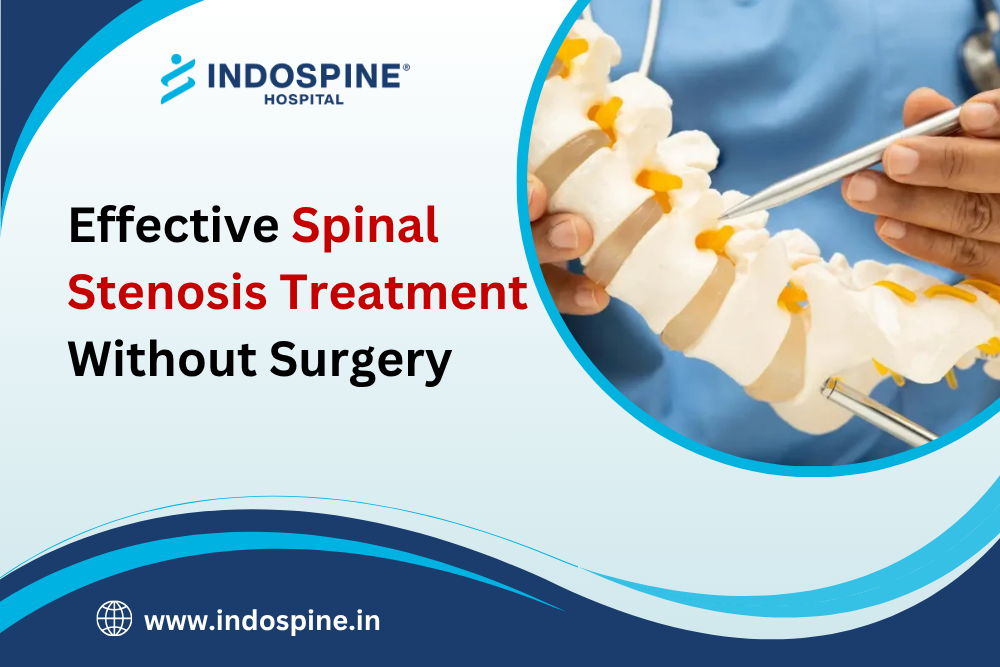
Spinal stenosis is a common yet often misunderstood condition that affects the spine, leading to pain, numbness, and reduced mobility. Fortunately, many patients can benefit from spinal stenosis treatment without surgery, avoiding invasive procedures while still achieving significant relief. With the right approach and expert guidance, managing this condition effectively is possible.
Understanding Spinal Stenosis
Spinal stenosis occurs when the spinal canal narrows, putting pressure on nerves. It most commonly affects the lower back (lumbar spine) and neck (cervical spine). Age-related degeneration, herniated discs, arthritis, and thickened ligaments are common causes.
Common Symptoms
- Chronic back or neck pain
- Tingling or numbness in limbs
- Muscle weakness
- Difficulty walking or standing
- Pain relief when bending forward
Early diagnosis and proper care are essential for effective recovery.
Why Choose Non-Surgical Treatment?
Many patients today prefer non surgical spinal stenosis treatment because it minimizes risks and focuses on long-term healing. Surgery is typically considered only when symptoms become severe or unmanageable.
Benefits of Non-Surgical Treatment
- Lower risk and no hospitalization
- Faster recovery time
- Cost-effective approach
- Focus on improving overall spine health
- Personalized treatment plans
For most individuals, the best treatment for spinal stenosis without surgery combines multiple therapies tailored to their condition.
1. Physical Therapy and Rehabilitation
Physical therapy is a cornerstone of spinal stenosis treatment without surgery. A structured program helps strengthen muscles, improve flexibility, and reduce pressure on the spine.
Key Benefits:
- Enhances mobility and posture
- Strengthens core and back muscles
- Reduces pain naturally
- Prevents further degeneration
Regular physiotherapy sessions guided by experts can significantly improve quality of life.
2. Medications for Pain Management
Medications are commonly used to control pain and inflammation associated with spinal stenosis.
Common Options:
- Anti-inflammatory drugs (NSAIDs)
- Muscle relaxants
- Nerve pain medications
- Short-term steroid use
These are often part of a comprehensive Spinal Stenosis Treatment plan designed by specialists.
3. Epidural Steroid Injections
Epidural injections are a targeted method to reduce inflammation around compressed nerves. They are especially effective for patients experiencing radiating pain.
Advantages:
- Provides quick relief
- Improves mobility
- Supports rehabilitation efforts
While not permanent, they play a key role in non surgical spinal stenosis treatment strategies.
4. Lifestyle Modifications
Lifestyle changes are crucial in managing symptoms and preventing progression.
Recommended Changes:
- Maintain a healthy weight
- Avoid prolonged standing
- Use proper posture techniques
- Engage in low-impact exercises like walking or swimming
These habits support long-term success in spinal stenosis treatment without surgery.
5. Alternative Therapies
Many patients explore alternative methods as part of the best treatment for spinal stenosis without surgery.
Popular Therapies:
- Acupuncture
- Chiropractic care
- Yoga and stretching exercises
- Massage therapy
These therapies help relieve pain, improve flexibility, and promote overall well-being.
6. Assistive Devices
Supportive tools can reduce strain on the spine and enhance mobility.
Examples:
- Lumbar support braces
- Walking aids (canes or walkers)
- Ergonomic seating
These aids are particularly beneficial for elderly patients or those with limited mobility.
Expert Care Matters
Choosing the right specialist is essential for successful treatment. Consulting a Best Spine Doctor in Ahmedabad ensures accurate diagnosis and a personalized care plan. Experienced spine specialists can guide patients through the most effective non-surgical options and monitor progress closely.
When is Surgery Needed?
Although many patients respond well to conservative care, surgery may be required in severe cases where:
- Pain becomes debilitating
- Nerve damage progresses
- Loss of bladder or bowel control occurs
However, with early intervention and proper care, most individuals can avoid surgery and still achieve excellent outcomes.
Conclusion
Managing spinal stenosis does not always require surgery. With advancements in medical care, spinal stenosis treatment without surgery has become highly effective and widely accessible. From physiotherapy and medications to lifestyle changes and alternative therapies, patients have multiple options to manage their condition safely.
By choosing the best treatment for spinal stenosis without surgery and consulting experienced professionals, individuals can regain mobility, reduce pain, and improve their overall quality of life.