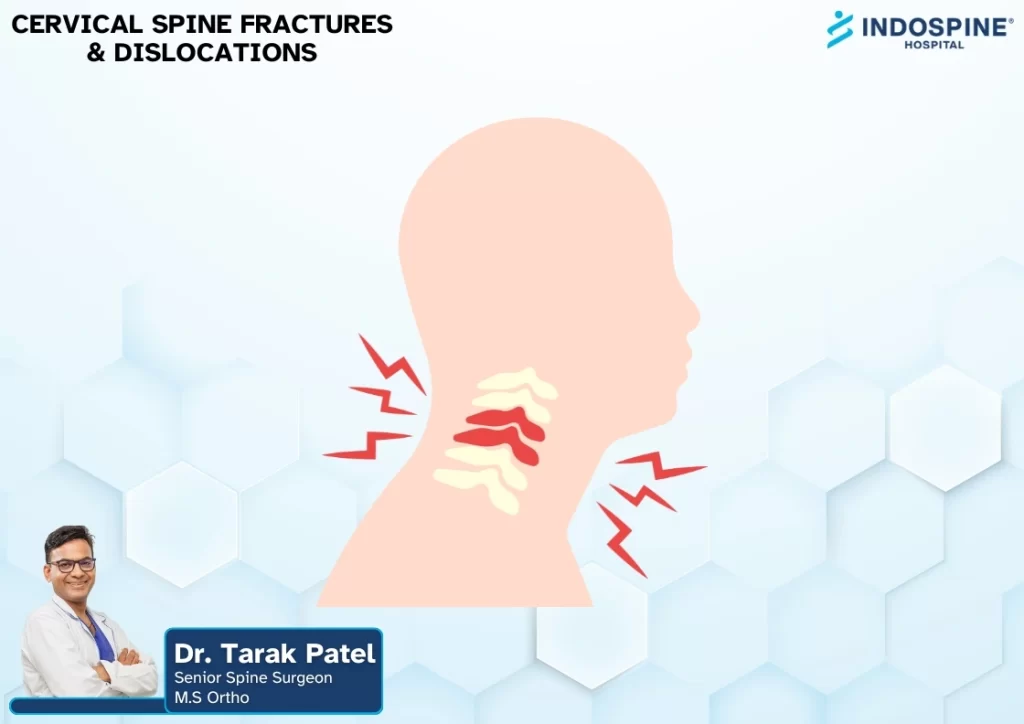
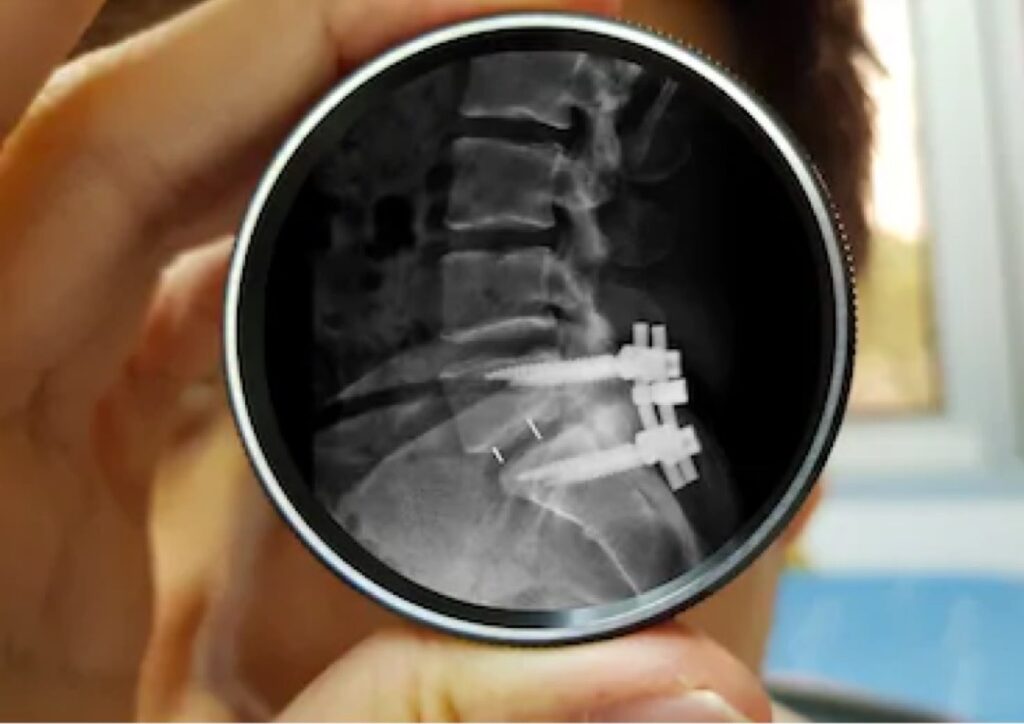
Cervical Spine Fractures & Dislocations Treatment
“Vertebral compression fractures occur when the normal vertebral body of the spine is squeezed or compressed.”
The bone collapses when too much pressure is placed on the vertebrae, resulting in pain, limited mobility, loss of height, and spinal deformities. In severe compression fractures the vertebral body is pushed into the spinal canal which will apply pressure on the spinal cord and nerves.
Vertebral fractures results from weakened spine caused by osteogenesis imperfecta, osteoporosis, tumor, and trauma. Osteogenesis imperfect is a hereditary disease resulting in bone fragility. It is an autosomal dominant disorder of connective tissue that is characterized by easily fractured bones.
Your child may experience severe pain in the back which worsens on standing or walking and decreases when resting. Other symptoms include, weakness, and numbness in the affected areas, disability, limited spinal mobility, and loss of overall height. The symptoms which indicate multiple fractures in the spine are hunch back, bulging stomach, shortness of breath, hip fracture, and gastrointestinal problems. Children’s who sustain multiple compression fractures may have hunch back (kyphosis or “dowager’s hump”), gastrointestinal problems, hip pain, and shortness of breath.
Your spine fracture specialist in Ahmedabad may require diagnostic tests such as X-ray, MRI scan, and bone scan which help to determine and confirm the fracture.
Spine Fracture Treatment in Ahmedabad
The treatment for vertebral compression fractures aims at reducing the pain, stabilizing, and repairing the fracture. The non-surgical measures include medications, back braces, bed rest, and certain exercises.
Nonsteroidal anti-inflammatory drugs may be prescribed to relieve bone, muscle and nerve pain. A back brace may be suggested to support the back and immobilize the movements.
A spine surgeon in Ahmedabad may suggest you surgery if the pain still persists despite of non-surgical treatment. There are two minimally invasive surgical procedures for treating vertebral compression fractures are::
Kyphoplasty: In this procedure a deflated balloon called as bone tamp is injected into the spine. The balloon is inflated until it expands to a desired height. The created space is then filled with orthopedic cement called polymethylmethacrylate. This procedure helps to restore the height of the vertebrae and reduces the deformity.
Vertebroplasty: This technique involves injecting a cement material called polymethylmethacrylate, into the collapsed vertebra. The injected cement hardens quickly stabilizing the fracture, relieves pressure, and prevents further collapse.
Symptoms
Bring to the table win-A narrowing of the spinal canal typically doesn’t cause symptoms unless it progresses to a point where it compresses the spinal cord, spinal nerves, or the cauda equina, which is a dense bundle of nerve roots that begins where the spinal cord ends in the upper lumbar region. When compression happens, intermittent or chronic pain, numbness, or weakness may arise in the low back, buttocks, and legs. Symptoms are usually mild or absent while sitting or sleeping. While walking, symptoms generally increase and a cramping sensation with a tired or heavy feeling in the low back, buttocks, or upper thighs may occur.survival strategies to ensure proactive domination. At the end of the day, going forward, a new normal that has evolved.
Causes
Lumbar stenosis is most frequently caused by degenerative changes (osteoarthritis) in the lower back. After years of normal wear and tear, cushioning between bones in the spine may break down, allowing bones to wear against each other. At these sites, the body produces growths called bone spurs that may narrow the spinal canal, causing pressure on the spinal nerves, or cauda equina. Occasionally, large disc herniations and spinal tumors can narrow the spinal canal enough to cause compression.
Summary
Lumbar stenosis is most frequently caused by degenerative changes (osteoarthritis) in the lower back. After years of normal wear and tear, cushioning between bones in the spine may break down, allowing bones to wear against each other. At these sites, the body produces growths called bone spurs that may narrow the spinal canal, causing pressure on the spinal nerves, or cauda equina. Occasionally, large disc herniations and spinal tumors can narrow the spinal canal enough to cause compression.
Frequently Ask Questions