
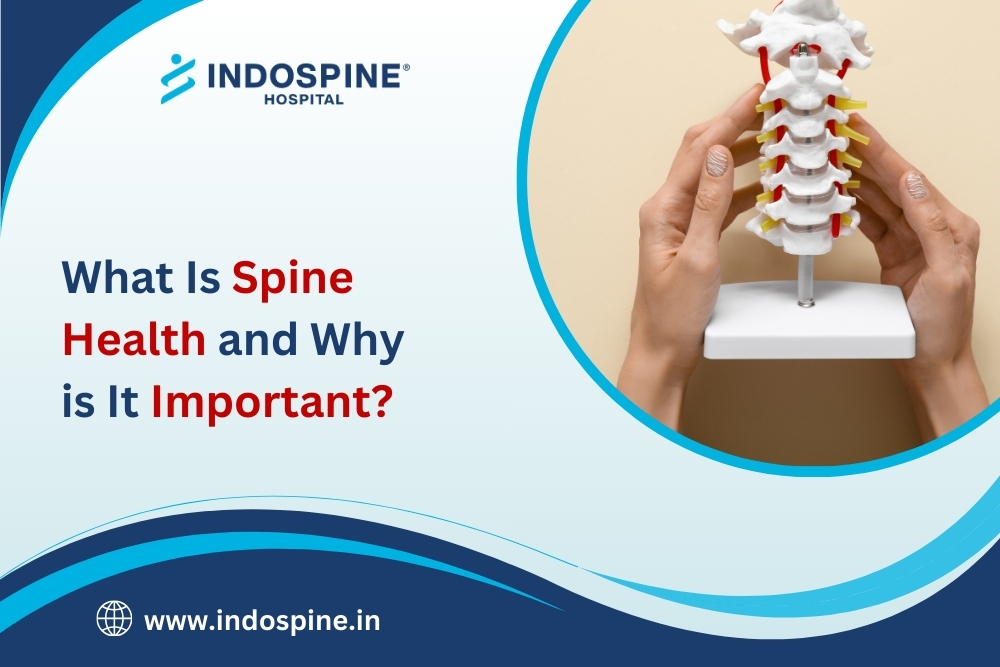
The spine is one of the most important parts of the human body, yet it is often ignored until pain or discomfort starts. Good spine health is essential for movement, balance, posture, and overall quality of life. When the spine is healthy, daily activities like walking, sitting, sleeping, and even breathing become easier and pain-free.
In this blog, we will explain what spine health means, why it is important, common spine problems, early warning signs, and how you can take care of your spine in everyday life.
What Is Spine Health?
Spine health refers to the proper functioning of the spinal column, including the bones (vertebrae), discs, muscles, ligaments, and nerves that support the body. A healthy spine is:
- Properly aligned
- Strong and flexible
- Free from chronic pain
- Able to protect the spinal cord and nerves
The spine supports your head, allows you to bend and twist, and carries signals between the brain and the rest of the body. Any problem in the spine can affect movement, sensation, and even internal organs.
Why Is Spine Health Important?
Maintaining good spine health is important for many reasons:
- Supports Body Movement
Every movement bending, walking, sitting, lifting depends on a healthy spine. Spine problems can limit mobility and make daily tasks difficult. - Protects the Nervous System
The spinal cord runs through the spine and connects the brain to the body. A damaged or compressed spine can affect nerve signals, leading to pain, numbness, weakness, or tingling. - Maintains Proper Posture
A healthy spine keeps your posture straight and balanced. Poor spine health often leads to slouching, rounded shoulders, and chronic back or neck pain. - Prevents Chronic Pain
Many people suffer from long-term back pain, neck pain, or leg pain due to spine issues. Early spine care can prevent these problems from becoming severe. - Improves Quality of Life
Good spine health helps you stay active, independent, and comfortable as you age. It reduces the need for long-term medications or surgery.
Common Spine Problems People Face
Spine problems can affect people of all ages. Some of the most common conditions include:
- Back pain (lower or upper back)
- Neck pain (cervical pain)
- Slip disc or herniated disc
- Sciatica (pain radiating to legs)
- Cervical or lumbar spondylosis
- Spinal stenosis
- Posture-related spine problems
Many of these conditions develop slowly and worsen over time if ignored.
Early Warning Signs of Poor Spine Health
Recognising early symptoms can help prevent serious spine issues. Watch out for:
- Persistent back or neck pain
- Pain that radiates to arms or legs
- Numbness or tingling in hands or feet
- Stiffness in the neck or lower back
- Difficulty bending or standing straight
- Muscle weakness
- Pain that worsens with sitting or walking
If these symptoms continue for more than a few days, it is important to consult a spine specialist.
What Causes Spine Problems?
Several factors can affect spine health, including:
- Poor posture while sitting or working
- Long hours of sitting or screen use
- Heavy lifting with incorrect technique
- Lack of physical activity
- Obesity and excess body weight
- Age-related wear and tear
- Stress and muscle tension
- Poor sleeping position or mattress
Most spine problems are lifestyle-related and can be prevented with timely care.
How to Maintain Good Spine Health
Taking care of your spine does not require complicated routines. Simple daily habits can make a big difference.
1. Maintain Proper Posture
Sit and stand straight. Keep your shoulders relaxed and avoid slouching, especially while using mobile phones or laptops.
2. Stay Physically Active
Regular walking, stretching, and strengthening exercises help keep the spine flexible and strong.
3. Use Ergonomic Furniture
Use chairs and desks that support your back, especially if you work long hours at a desk.
4. Maintain Healthy Body Weight
Excess weight puts extra pressure on the spine, especially the lower back.
5. Sleep Correctly
Use a supportive mattress and pillow. Sleeping on your back or side is usually better for spine alignment.
6. Avoid Ignoring Pain
Do not ignore recurring back or neck pain. Early diagnosis can prevent complications.
When Should You See a Spine Doctor?
You should consult a spine specialist if:
- Pain lasts more than 1–2 weeks
- Pain increases over time
- You experience numbness or weakness
- Pain affects daily activities or sleep
- You have difficulty walking or standing
Early medical advice can help avoid surgery and long-term problems.
Conclusion
Spine health is essential for a pain-free and active life. A healthy spine supports movement, protects nerves, maintains posture, and improves overall well-being. Most spine problems can be prevented or managed with early care, healthy habits, and timely medical consultation.
If you are experiencing persistent back or neck pain, do not delay. Taking care of your spine today can help you avoid serious problems tomorrow.