
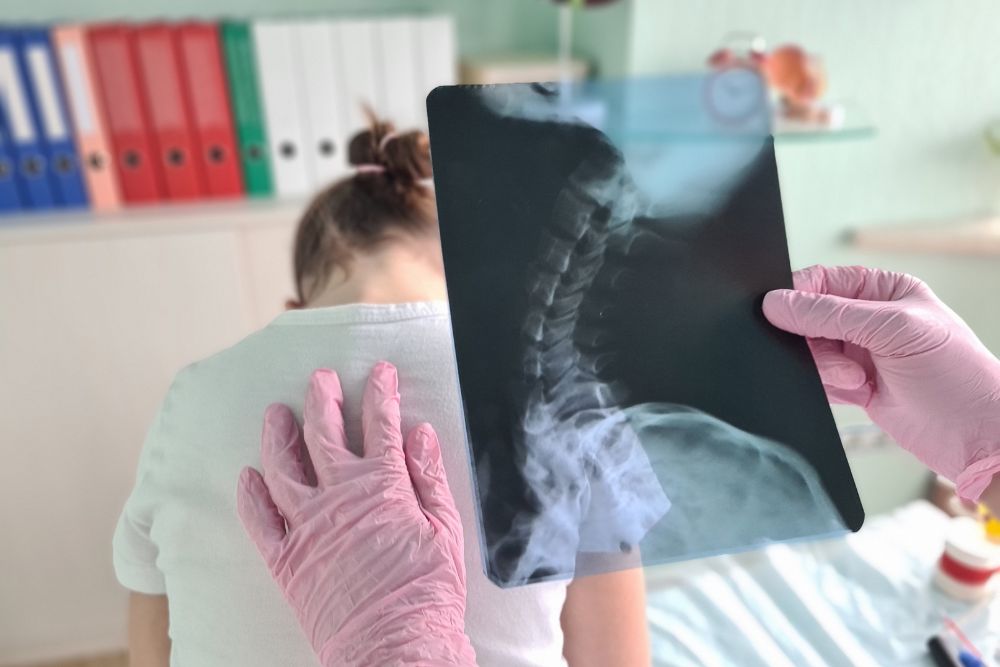
Living with a spinal deformity can be a constant source of pain and frustration. Many people believe that surgery is the only solution to find relief from conditions like scoliosis or kyphosis. However, the reality is that for a significant number of patients, effective treatment is available without the need for invasive procedures. In this article, we’ll explore four common spinal deformities, how they can be managed, and the circumstances under which surgery might be necessary.
Understanding Spinal Deformities
Spinal deformities refer to abnormal curvatures or misalignments in the spine that can significantly impact a person’s quality of life. These conditions can lead to chronic pain, reduced mobility, and difficulty performing everyday activities. With advances in spine deformity treatment, many of these conditions can be effectively managed, improving both pain levels and overall function.
Common Spinal Deformities
1. Adult-Onset Scoliosis
Adult-onset scoliosis is a condition that typically develops in individuals in their late 50s to 70s due to accelerated degeneration of the spine. Unlike adolescent scoliosis, which is often detected during school screenings, adult-onset scoliosis is caused by wear and tear on the spine over time. As the joints and disks deteriorate, the spine can lose its balance, resulting in an abnormal curvature when viewed from behind, often in an “S” or “C” shape.
Symptoms:
- Leaning to one side
- Back pain
- Muscle deformity
For those seeking spine deformity treatment in Ahmedabad, non-surgical options are available that can effectively manage adult-onset scoliosis. Physical therapy and other conservative treatments can often realign the spine and alleviate pain, reducing the need for surgical intervention.
2. Failed Back Surgery Syndrome (FBSS)
Failed back surgery syndrome occurs when a patient continues to experience back pain after undergoing spine surgery, or when the spine deteriorates further as part of the aging process. This condition is particularly common in individuals who had surgery decades ago when medical knowledge and technology were less advanced.
Symptoms:
- Back pain in areas beyond the initial surgery site
- Challenges with mobility
- Numbness
- Intense or piercing back pain
For those affected by FBSS, advanced spine deformity treatments today can address issues that were previously untreatable. In some cases, additional surgery can be necessary, but many patients find relief through non-surgical methods like physical therapy and pain management strategies.
3. Flat Back Syndrome
Flat back syndrome is a condition where the natural curves of the spine are lost, causing the patient to lean forward. This loss of spinal balance can make it difficult to stand upright without bending the knees or flexing the hips, leading to fatigue and discomfort throughout the day.
Causes:
- Degeneration of spinal disks due to ageing
- Vertebral fractures, often from osteoporosis
- Previous spinal surgeries, particularly those involving Harrington rods
- Spinal instability after vertebral fusion or decompression surgery
Symptoms:
- Difficulty standing upright
- Neck or back pain
- Fatigue from holding the body upright
Flat back syndrome can often be managed through non-surgical spine deformity treatment, with a focus on physical therapy to restore balance and strengthen the spine.
4. Kyphosis (Kyphotic Deformity)
Kyphosis is characterized by an excessive forward curvature of the spine, which can result in a hunched or rounded back. This condition can affect different parts of the spine, including the cervical spine in the neck (neck kyphosis) and the thoracic spine in the middle of the back (thoracic kyphosis).
Causes:
- Arthritis of the spine
- Birth defects
- Vertebral fractures
- Muscular dystrophy
- Poor posture, especially in teens
- Spinal tumors
Symptoms:
- Hunched or rounded back
- Back or neck pain
- Difficulty standing straight
- Chest pain
- Trouble breathing
- Weakness in the legs
For those looking for kyphosis treatments, a combination of physical therapy and other conservative treatments can often alleviate symptoms and improve spinal alignment. In more severe cases, kyphosis surgery may be necessary to correct the deformity.
Non-Surgical Treatment Options
While spinal deformities can be complex, many patients can find relief without surgery. Physical therapy is the cornerstone of non-surgical spine deformity treatment. It focuses on strengthening the core and back muscles, improving range of motion, balance, and posture, and realigning the spine. For those dealing with kyphosis, scoliosis, or other deformities, targeted exercises can help restore spinal alignment and reduce pain.
In addition to physical therapy, pain management strategies such as ice, heat, and anti-inflammatory medications (like ibuprofen) play a crucial role in helping patients manage their symptoms as they undergo treatment. It’s important to seek a second opinion if your current treatment plan isn’t working, as a specialized approach can be needed.
When Surgery Becomes Necessary
While non-surgical treatments are effective for many, there are situations where surgery becomes the best option. Surgery may be recommended if:
- Non-invasive treatments have not been effective.
- The condition is severely advanced at the time of diagnosis.
- Muscle or limb weakness is present.
- There is serious dysfunction, such as bladder or bowel issues, due to nerve damage.
Kyphosis surgery and other spine surgeries can now be performed with minimally invasive techniques, reducing recovery time and pain. Patients seeking scoliosis treatment in Ahmedabad should consider all available options at IndoSpine Hospital to determine the best course of action.
Take Control of Your Spine Health With IndoSpine
If you’re experiencing back or neck pain and suspect a spinal deformity, don’t wait. Seek professional advice today to explore your treatment options, whether you’re looking for kyphosis treatments in Ahmedabad or scoliosis treatment. Contact us to schedule an appointment and take the first step toward a pain-free life.
View this post on Instagram