
Welcome To Indospine Hospital

Degenerated disc disease

What is Degenerated Disc Disease?

Degenerated Disc Disease (DDD) is a condition in which the spinal discs gradually lose their flexibility, strength, and cushioning ability due to aging, wear and tear, or injury. Spinal discs act as shock absorbers between the vertebrae, and when they degenerate, it can lead to back pain, neck pain, and reduced mobility.
Despite its name, it is not actually a disease, but a common age-related condition that can be effectively managed with proper treatment.

Causes of Degenerated Disc Disease

Symptoms of Degenerated Disc Disease

Symptoms vary depending on the affected area of the spine:

Common Areas Affected

Diagnosis

To confirm Degenerated Disc Disease, your doctor may recommend:
These tests help identify disc degeneration and nerve involvement.

Treatment Options for Degenerated Disc Disease

Non-Surgical Treatment

Most patients improve without surgery.

Surgical Treatment

Surgery is considered only when conservative treatment fails.
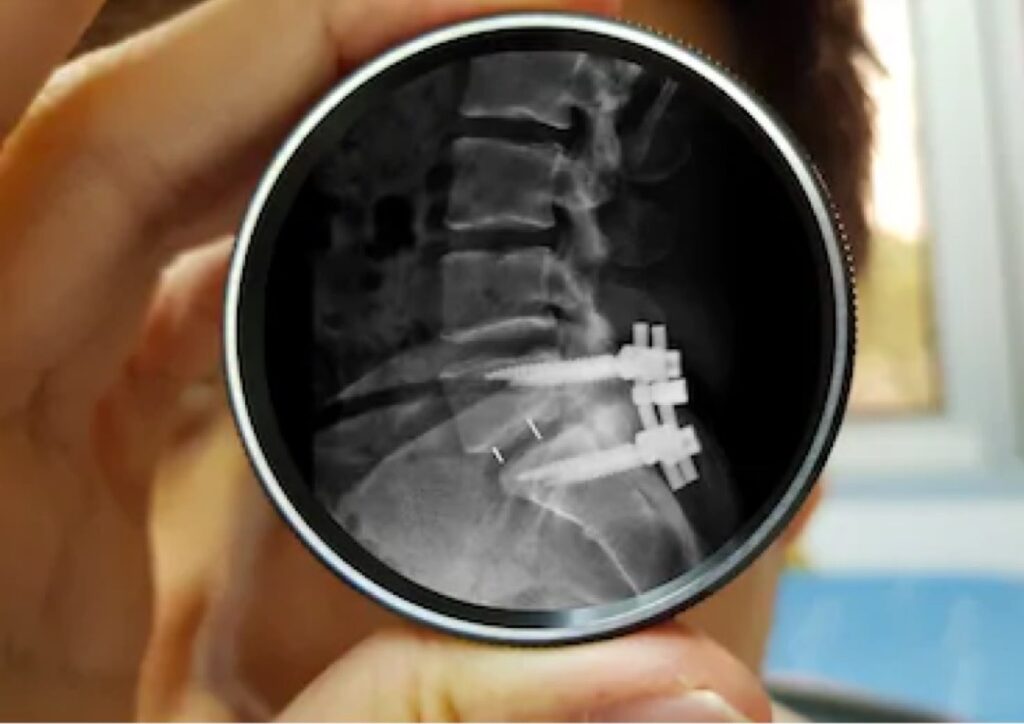
Modern surgical techniques aim to reduce pain and restore spinal stability.

Recovery and Rehabilitation

Recovery time depends on the severity of disc degeneration and treatment method.

Prevention Tips

Why Choose Us for Degenerated Disc Disease Treatment?

When to See a Doctor?

Seek immediate medical help if you experience:
A narrowing of the spinal canal typically doesn’t cause symptoms unless it progresses to a point where it compresses the spinal cord, spinal nerves, or the cauda equina, which is a dense bundle of nerve roots that begins where the spinal cord ends in the upper lumbar region. When compression happens, intermittent or chronic pain, numbness, or weakness may arise in the low back, buttocks, and legs. Symptoms are usually mild or absent while sitting or sleeping. While walking, symptoms generally increase and a cramping sensation with a tired or heavy feeling in the low back, buttocks, or upper thighs may occur.
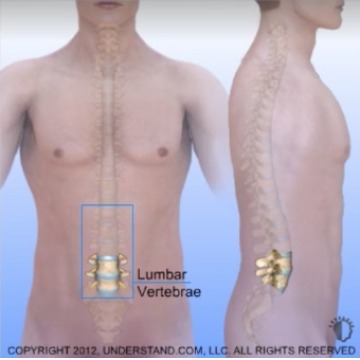
Lumbar stenosis is most frequently caused by degenerative changes (osteoarthritis) in the lower back. After years of normal wear and tear, cushioning between bones in the spine may break down, allowing bones to wear against each other. At these sites, the body produces growths called bone spurs that may narrow the spinal canal, causing pressure on the spinal nerves, or cauda equina. Occasionally, large disc herniations and spinal tumors can narrow the spinal canal enough to cause compression.
Lumbar stenosis may or may not require treatment depending on whether symptoms include pain or disability. Non-surgical treatments may include modifying activities to reduce stress on the spine, physical therapy, medications or injections to reduce pain and inflammation, or wearing a brace. In severe cases or those that are progressively worsening, surgery or Canal Stenosis Treatment in Ahmedabad may be performed to correct the condition.

Dr.Tarak Patel -Canal Stenosis (Lumbar / Cervical) treatment specialist in Ahmedabad

Dr. Tarak Patel is a leading Spine Surgeon in Ahmedabad with over 15 years of experience in advanced spine care. He is the Founder and Director of IndoSpine Hospital, a dedicated center for comprehensive spine treatment. After completing his MBBS from B.J. Medical College and MS Orthopedics from NHL Medical College, he pursued advanced spine fellowships in India and abroad, including the UK, Mumbai, Chennai, and Coimbatore.

Experience
0 +
OPDs
0 +
Happy Patient
0 +
Total Surgeries
0 +