
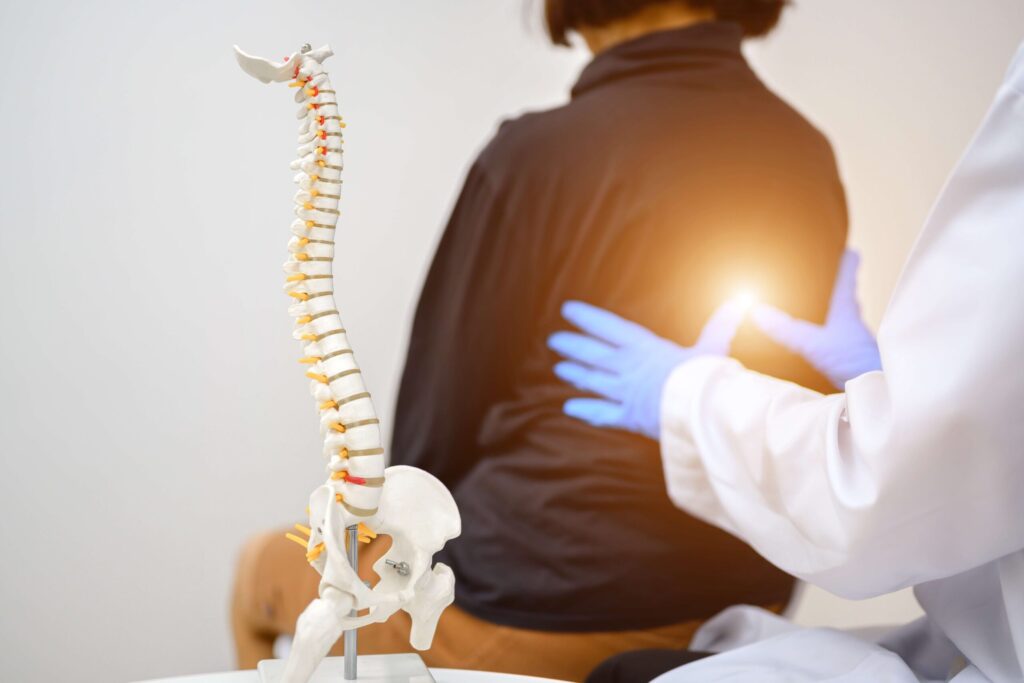
Spinal cord injury (SCI) is an irreversible condition which causes physical, emotional and psychological complications. The cause of SCI may vary from trauma to illness, yet limit your independence and life quality. Losing mobility can be daunting, but there is something more important to understanding what happens when spinal cord is damaged, and what treatment is available.
At Indospine, spinal cord injury treatment is one of our main treatment areas. We focus on helping individuals regain their movement and independence.
What is Spinal Cord Injury?
Spinal cord injury means a disruption of spinal cord function or damage to the nerves located in the vertebral canal. The spinal cord plays the role of the transmission line of all body-related signals and communication from the brain. When it gets injured, the signal pathways are severed, leading to impairment of sensory organs and motor function below the affected level.
Spinal Cord Features and Anatomy
The spinal cord is a long tubular structure which consists of the nervous tissues. It is a part of the central nervous system. It starts right from the base of the brain, goes down to the lower back and ends at the spinal cord level in adults at L1-L2.
Cervical, thoracic, lumbar or sacral levels in adults are vital to diagnose the severity of injury as they individually correspond to nerve functions. We can say that lumbar spine injuries will impact the legs and lower body spine injuries will impact the arm and legs.
What Happens When Spinal Cord is Damaged?
Spinal cord injury may result in either temporary or permanent impairment of any bodily area. Spinal cord nerve damage affects coordinated movements, sensory pathways, and control over injured body functions. Injury on the spinal cord level determines the severity of the damage and whether the damage is complete or incomplete.
Common Symptoms Include
- Weakness/paralysis
- Loss of sensation
- Difficulty breathing or coughing
- Loss of bladder and bowel control
- Intense pain sensations
The spinal cord injury clinical features described above vary depending on the segment of the spinal column that has been injured.
Types of Spinal Cord Injury
- Complete Spinal Cord Injury: This leads to complete sensory loss and paralysis below the site of the injury. Walking again after Complete spinal cord injury is often a difficult task; however, a combination of rehabilitation and other supportive therapies can bring hope.
- Incomplete Spinal Cord Injury: With this type of injury, there can be a few parts functioning below the place of injury. Types of incomplete spinal cord injury include Anterior cord syndrome, Brown-Sequard syndrome, Cauda Equina syndrome, Central cord syndrome, Conus Medullaris syndrome, and Posterior cord syndrome. The prognosis for recovery with incomplete injury is better than in patients with complete spinal cord damage.
Treatment for Compression Fractures of the Spine
Spinal compression with fractures of the vertebral bodies and failed disc due to trauma or osteoporosis should also be addressed and treated as follows:
- Bracing to support the spine
- Pain management
- Physical therapy
- Surgery to join the vertebrae together
Apart from spinal cord surgeries, spinal cord injury supportive therapy is also helpful for the long-term recovery process as follows:
- Physiotherapy to enhance muscular strength, flexibility and movements.
- Rehabilitation to increase the patient’s ability to manage their lives on their own.
- Emotional support for coping with emotional distress due to SCI.
- Mobility tool support to help the patients to move like wheelchairs, walking sticks, walkers, or braces.
Spinal Cord Injury: The Hope of Regaining the Ability to Walk
SCI may minimise the possibility of walking again after a complete spinal cord injury. But continued treatment and lively rehabilitation methods offer hope. Most patients with incomplete injuries can regain mobility depending on the recommended care plan. For other cases with no hope of recovery, supportive therapies can help in greater health improvements as well as functional abilities.
Recovery From Spinal Cord Injury With Indospine
Surviving a spinal cord injury can be challenging, but you do not have to fight the battle alone. Consult with us at Indospine to learn more about the spinal cord treatment plans that can aid your recovery and regain your life.